Why Painting Over Smoke Damage Isn’t Enough

What Lubbock Homeowners Should Know Before Repainting
After a house fire, getting your home back to normal can’t happen fast enough. When you see dark stains on the walls or ceiling, it’s understandable to think, “Can’t we just paint over that?”
Fresh paint can improve how a room looks. But smoke-damaged surfaces need attention before the first coat goes on. Skipping that preparation can leave you with stains showing through, and a room that still smells like smoke.
Paint Covers Color. It Doesn’t Clean the Surface.
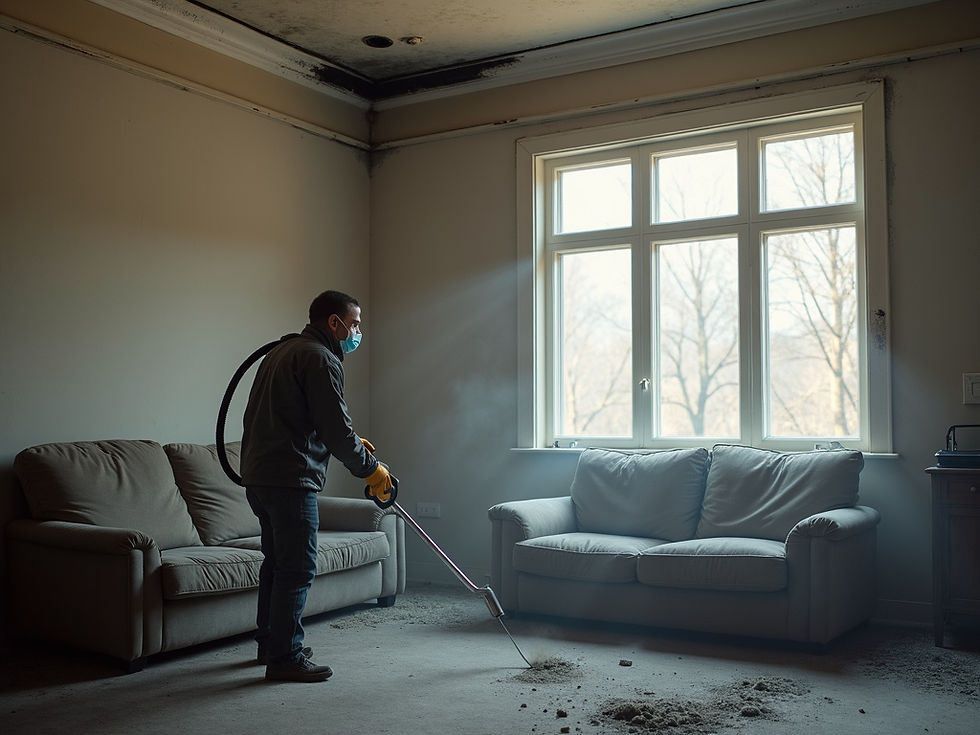
Smoke and soot residue need to be removed as thoroughly as possible before priming and painting. Remaining stains then need an appropriate sealer to help prevent them from bleeding through the new finish. Simply applying more wall paint skips those essential steps.
That means repainting is part of the restoration process, rather than a shortcut around it.
What Needs to Happen Before Repainting?
1. Assess the damage.
Before choosing a paint color, have the affected walls and ceilings evaluated. The first question is whether the materials are suitable for cleaning and refinishing or need repair or replacement. Painting should follow that assessment.
2. Clean the affected surfaces.
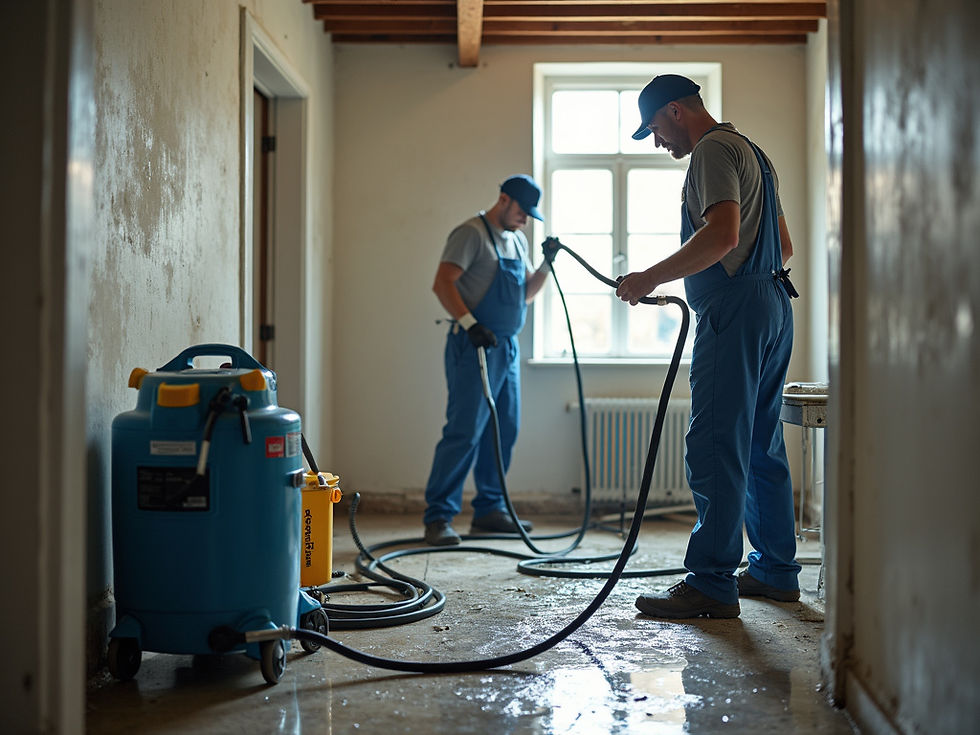
Smoke cleanup requires more than making a wall look better. The cleaning approach needs to suit the residue and the material underneath it. The American Red Cross notes that smoke odors and soot can be difficult to remove and may be best handled by professional fire restorers.
3. Prepare the surface and allow it to dry.
After cleaning and necessary repairs, the surface must be ready for the coating system being used. Restoration primer instructions call for clean, dry surfaces and removal of loose or peeling paint before application.
4. Use the appropriate stain-blocking primer.
A primer designed for smoke-damage restoration can help seal remaining stains and related odors on properly prepared surfaces. Product selection matters: the primer must suit the surface and the damage, and it must be applied according to the manufacturer’s instructions.
5. Apply the finish paint.
Once cleaning, repairs, preparation, and priming are complete, the finish paint can do its job: give the walls and ceilings a fresh, finished appearance.
A Fresh Coat Should Be the Finishing Touch
After a fire, you deserve to understand what your home needs and why. If a repair proposal jumps straight to painting, ask what cleaning and preparation are included, and how smoke stains and odors will be addressed.
At FirePros - Lubbock, we help homeowners plan repairs and restoration after fire damage. We can assess the affected areas and explain what needs to happen before repainting.
Have smoke-damaged walls or ceilings? Visit FireProsTexas.com to contact our team and discuss your next steps.
Restore. Rebuild. Recover.
Disclaimer: FirePros is a restoration contractor, not a public insurance adjuster, insurance company or law firm. We can inspect damage and prepare restoration scopes and repair estimates, but we do not interpret insurance coverage, negotiate claims or provide legal or insurance advice. Questions about coverage or claim disputes should be directed to your insurance company, a licensed public insurance adjuster or an attorney.