What to Do After a House Fire in Lubbock, Texas: A Step-by-Step Guide

A house fire can leave you facing dozens of urgent decisions while you are still trying to process what happened. Once everyone is safe and the fire department has finished its work, it can be difficult to know what to do first or whom to trust.
Take it one step at a time. This guide explains what Lubbock-area homeowners should do after a house fire to protect themselves, document the damage and begin planning the recovery.
If a fire is active or the property has not been cleared by authorities, call 911 and follow the instructions of emergency personnel. This guide begins after the immediate emergency has passed.
1. Do Not Enter Until the Property Is Cleared
A fire-damaged building can remain dangerous even after the flames are gone. Structural components may be unstable, utilities may be damaged and soot or contaminated water may create additional hazards.
Do not enter simply because the fire appears to be out. Wait until the fire department or another appropriate authority says it is safe. Do not attempt to reconnect electricity, gas or water yourself.
The U.S. Fire Administration warns that soot and dirty water left after a fire may contain substances that can affect your health.
2. Contact Your Insurance Company Promptly
Notify your insurance company or agent as soon as reasonably possible. Ask for:
Your claim number
The name and contact information of the assigned adjuster
Instructions for documenting the damage
Information about temporary housing or additional living expenses
Guidance before authorizing temporary or permanent repairs
An explanation of your deductible and applicable coverage limits
Most Texas homeowners policies cover damage caused by fire, and most also cover smoke damage caused by a fire. However, every policy is different. Review your policy and speak directly with your insurer to confirm your specific coverage.
If the home is uninhabitable, ask whether your policy includes coverage for a hotel, rental property, meals or other additional living expenses. Keep every receipt.
Important insurance notice: FirePros is a restoration contractor, not a public insurance adjuster. We do not interpret insurance policies, determine coverage, negotiate claim settlements or represent policyholders in insurance disputes. Questions about policy coverage should be directed to your insurance company, a licensed public adjuster or an attorney.
3. Protect the Property Without Disturbing the Evidence
Your insurer may expect reasonable steps to prevent additional damage, but safety comes first. Coordinate with your insurance company before making decisions about boarding openings, covering damaged portions of the structure or moving property.
Avoid permanent repairs until the damage has been documented and your insurance company has explained its requirements. Keep invoices and receipts for any authorized temporary work.
In West Texas, damaged windows, doors or roofing can leave a property especially vulnerable to wind and blowing dust. Ask your insurer how the property should be secured and which expenses require prior approval.
4. Photograph and Document Everything
Once you are permitted to enter safely, photograph or record video of the property before cleaning, moving or discarding anything.
Document:
Every affected room
Walls, ceilings, floors and cabinets
Doors, windows and exterior damage
Appliances and electronics
Furniture and personal belongings
Visible smoke and soot patterns
Any authorized temporary repairs
Create a written list of damaged items when possible. Include brands, model numbers, approximate purchase dates and estimated values. Store copies of photographs, receipts and documents somewhere other than the damaged property.
Do not throw away damaged items until your adjuster has given you instructions. Something that appears ruined may still need to be inspected, photographed or included in the claim.
5. Avoid Aggressive DIY Cleaning
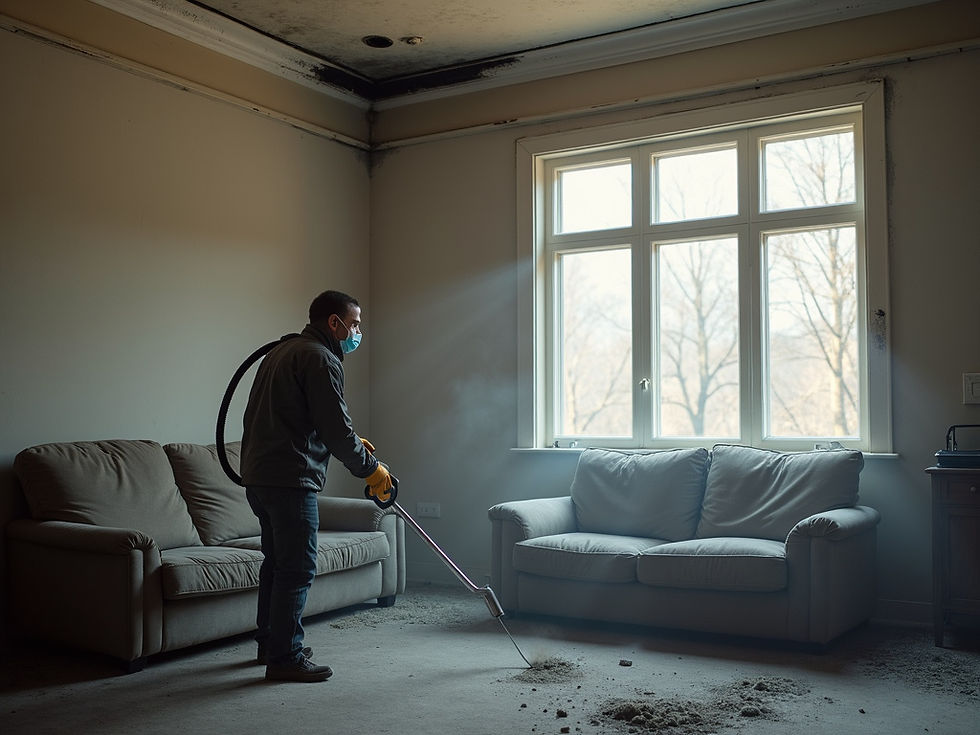
The urge to start scrubbing is understandable, but fire residue does not behave like ordinary dirt. Using the wrong cleaning method can spread soot, push residue deeper into porous materials or permanently discolor surfaces.
Before attempting major cleanup:
Do not scrub soot-covered walls or ceilings
Do not repaint over smoke staining
Do not wash smoke-damaged fabrics without professional guidance
Do not use damaged appliances or electronics
Do not apply household deodorizing products as a substitute for removing the source of the odor
A professional assessment can help determine which materials may be cleaned and restored and which may require removal or replacement.
6. Schedule a Fire-Damage Assessment
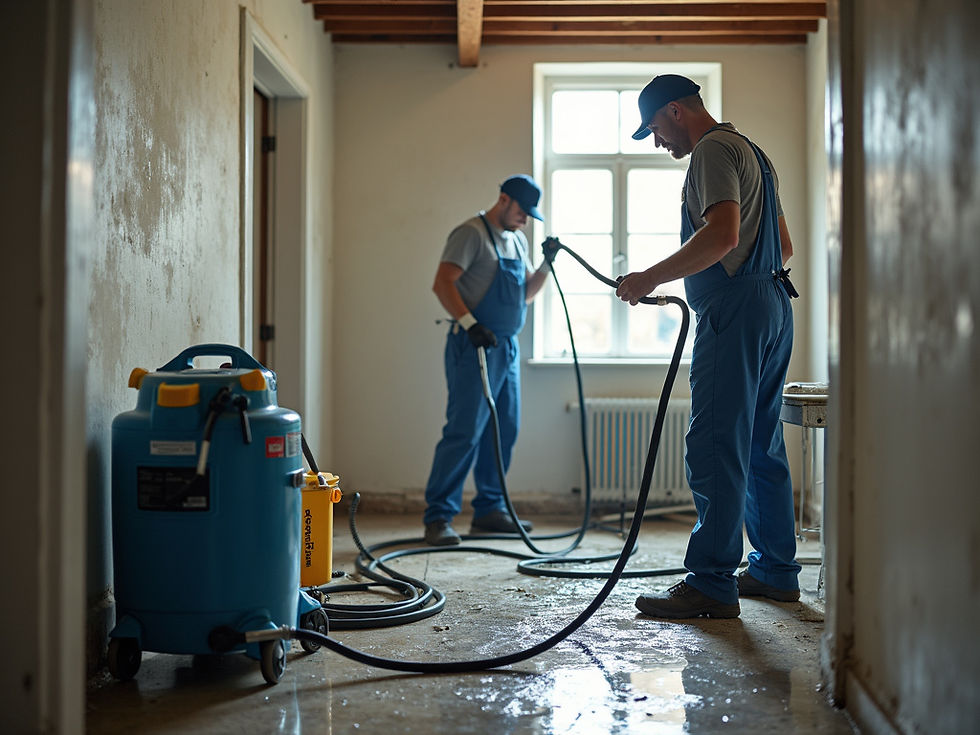
After the property is safe and the insurance company has been notified, schedule a thorough inspection with a qualified fire-restoration contractor.
A proper assessment should consider more than visibly burned areas. Heat, smoke and soot can affect adjoining rooms and materials that were never touched by flames.
The inspection may evaluate:
Visible structural and finish damage
Smoke and soot migration
Odor absorbed into porous materials
Damage to drywall, insulation, flooring and cabinetry
Possible effects on HVAC components
Areas requiring cleaning, removal, repair or reconstruction
The probable scope and sequence of the restoration work
Ask the contractor to explain the findings in plain language and identify what requires immediate attention versus what can wait.
7. Understand the Restoration Process
Every fire is different, but restoration generally follows a planned sequence:
Inspect and document the damage.
Develop the repair scope and estimate.
Review the scope and estimate with the property owner and provide repair-related documentation requested by the property owner or insurer.
Remove materials that cannot be safely or reasonably restored.
Address smoke, soot and odor within the approved scope of work.
Repair or rebuild damaged areas.
Complete a final walkthrough with the property owner.
The length of the project depends on the extent of the fire, hidden damage, required permits, material availability and the claim-review process. A limited fire may require relatively focused repairs, while significant structural damage can require a much longer reconstruction.
8. Keep a Fire-Recovery File
Create one physical or digital folder containing:
The insurance claim number
Adjuster and contractor contact information
Photographs and videos
Estimates and scopes of work
Receipts for lodging, meals and authorized expenses
Emails and written approvals
A log of important phone calls
Copies of contracts and change orders
Good records reduce confusion and help everyone work from the same information.
Questions to Ask a Restoration Contractor
Before hiring anyone, ask:
Do you carry appropriate insurance?
Who will manage my project?
How will the damage be documented?
How will you communicate changes in scope or cost?
Which services will your company perform?
Will any portions of the project be subcontracted?
How will the estimate and payment process work?
What should I expect during each stage of restoration?
Be cautious of anyone who pressures you to sign immediately, promises that insurance will cover everything or cannot clearly explain the work being proposed.
A Clear Next Step for Lubbock Property Owners
You do not have to understand the entire restoration process on the first day. Begin with safety, notify your insurer, preserve documentation and get a professional assessment before making major cleanup or repair decisions.
FirePros helps homeowners and businesses in Lubbock and surrounding South Plains communities assess fire and smoke damage and develop a clear plan for restoration and rebuilding.
Once the property has been cleared by the appropriate authorities, call FirePros at 806-454-8400 or request a free inspection through our website.
Restore. Rebuild. Recover.
Disclaimer: FirePros is a restoration contractor, not a public insurance adjuster, insurance company or law firm. We can inspect damage and prepare restoration scopes and repair estimates, but we do not interpret insurance coverage, negotiate claims or provide legal or insurance advice. Questions about coverage or claim disputes should be directed to your insurance company, a licensed public insurance adjuster or an attorney.